Issue 136
Term 1, 2026
Setting yourself up for success in Term 1 as a teacher librarian
This article focuses on the teacher librarians who activate library spaces, and how Term 1 can be used to build visibility, collaboration and momentum for the year ahead.
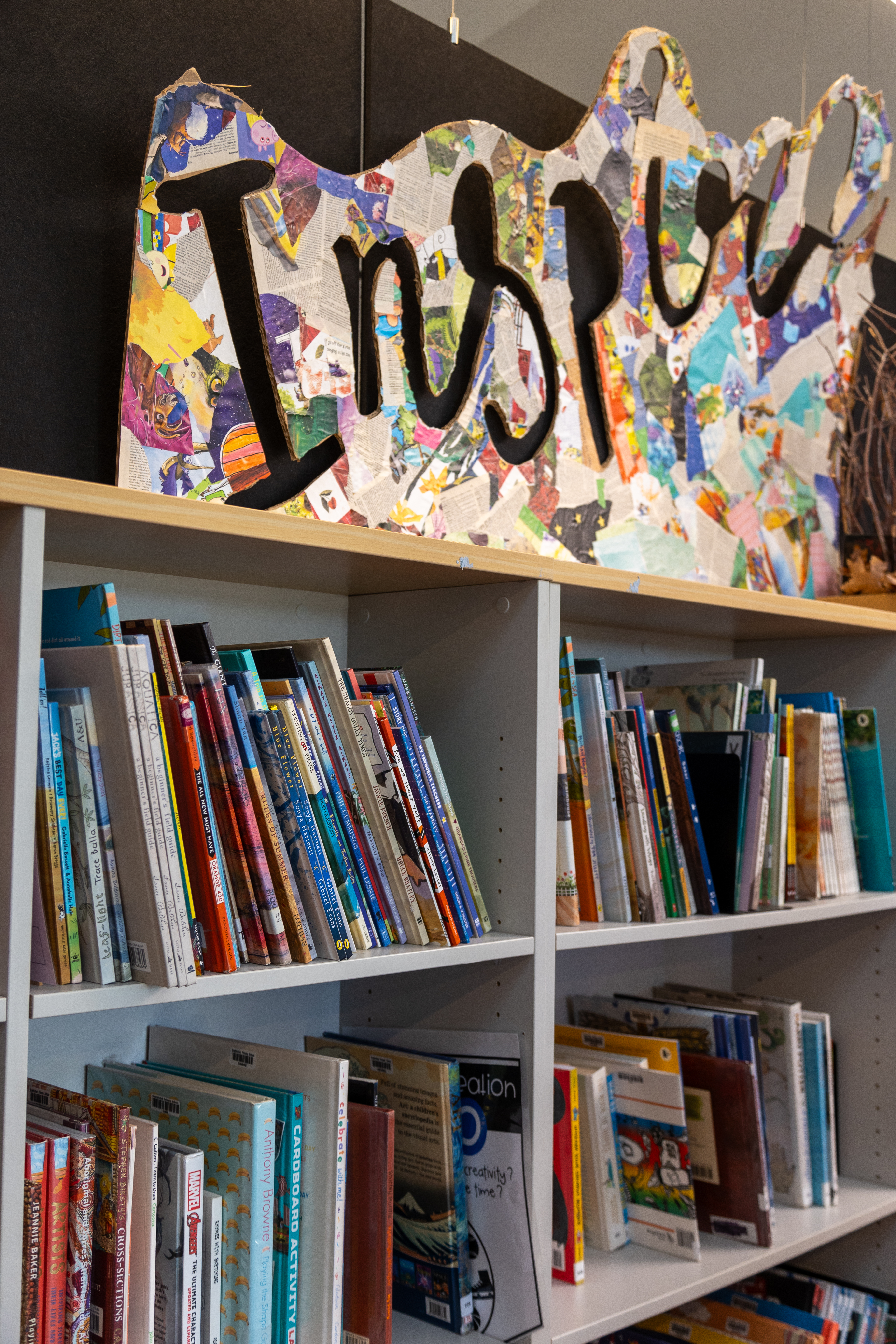
How can we as teacher librarians set ourselves up for success? Every year it can feel like we claw our way through bureaucracy to fight for our roles and our place within the school. The library should be the centre of learning, the focal point of every school, and yet it is repeatedly forgotten, not because we are ineffective, but often because we succeed in silence. We support our communities with such steady determination that both we and our safe, welcoming spaces can be overlooked.
Term 1 brings a whirlwind of beginnings, chaos and new faces. Teacher librarians hold a pivotal role as supporters, collaborators and facilitators. Success throughout the year depends not only on pedagogical knowledge and meticulous planning, but on advocacy, partnerships, and the resilience required to meet the unique expectations of each school.
Clarifying and advocating for the teacher librarian role
The teacher librarian role can feel isolating. We take it on, ready to help whoever walks through the door, yet waiting can sometimes be our downfall. How often have new staff arrived halfway through the year, unaware of the resources that the library can provide?
I began requesting “library time” during the Term 1 Staff Development Day — even half an hour has proven invaluable to show current staff what resources are available for curriculum, literacy and whole-of-school information needs (NSW Department of Education, 2021). These sessions can often spark “aha” moments when planning units for the entire year.
In the first few weeks of Term 1, I try to meet with my Principal to ensure my priorities align with the school plan and leadership expectations. I attend stage meetings frequently, assisting where I can, helping with resources and collaborating on units of work (Hughes, 2019).
To advocate for your library, you need data! Borrowing statistics, staff and student feedback, surveys and examples of collaborative teaching create a snapshot of the library’s impact and guide future planning (ALIA, 2022). This evidence helps ensure the library remains relevant to its current cohort of learners and teachers.
Building strong relationships with staff
I don’t know a single teacher librarian who isn’t able to collaborate with staff. We know our collections intimately — what is genuinely useful, what is just a good title, and what will spark excitement for readers. This expertise makes the teacher librarian one of the most valuable resources in the school.
Collaboration can still be difficult. Approaching a stage or inserting ourselves into planning can feel awkward, even when we know we can help. Yet research consistently shows that when teacher librarians co-plan and co-teach, student learning improves, particularly in literacy and information skills (Merga, n.d.; Todd, 2020). As Term 1 is the time teachers are still shaping their programs and lessons, it is the ideal time for teacher librarians to establish a collaborative presence.
The reality of shrinking library budgets
Term 1 can provide many new and exciting ventures, but it can also bring the familiar challenge of shrinking budgets. One year, I remember clearly, an email came through with the library budget and my heart sank. It was almost half the previous year’s budget.
At first it felt personally diminishing. I invest deeply in creating a dynamic, well-resourced space for students and staff, and a reduced budget felt like a statement about the library’s worth. Then came the practical reality: delayed updates to nonfiction, cancellation of a digital subscription, and severe limits on new releases.
The impact went far beyond books. Fewer resources meant fewer opportunities to support new inquiry units and limited chances to “hook” reluctant readers. At a time when diverse representation in children’s literature is expanding, the thought of students seeing themselves less often in our collection was heartbreaking (Cox & Korodaj, 2019). The library is often the only place where all children, regardless of background, can access quality literature (Merga, 2020).
Adaptation becomes essential. Strategic purchasing, waiting for sales, using book fairs and book clubs to stretch budgets, and ongoing advocacy with leadership can make a significant difference. Budgets fluctuate; it is unavoidable. But we must not allow our libraries to become invisible during the lean times, because invisibility has a way of lingering even when circumstances change.
Building rapport with local bookshops
Community connections, especially with local bookshops, have become an unexpected cornerstone of library success. Years ago, after receiving another modest budget, I visited a small independent bookshop and introduced myself as the school’s teacher librarian. That simple introduction sparked a long partnership.
The owners began curating lists of high-interest, diverse books for primary students. They invited me to after-hours preview nights with discounted prices. They even approached local authors about visiting our school, events that became student highlights and strengthened the shop’s community outreach.
This relationship grew into something far richer than transactions. Families recognised the shop staff at school events, the bookshop displayed our students’ book reviews, and the school gained deeper roots in the local community. Partnerships like these highlight the library’s role as a connector between school and community (Parliamentary Committee, 2011). When the bookshop later closed, it was a profound loss, proof of just how valuable that relationship had been.
Conducting a library scan and planning strategically
Research highlights the value of participatory design in creating learning spaces where students feel ownership and belonging (Hughes, 2019). Invite students to share their preferences: what books they enjoy, what they want more of, and what excites them. While every suggestion must be assessed through a professional lens, these conversations create engaged readers. A strong collection includes not just curriculum texts but also fantasy epics, adventures, humour and the diverse stories students love.
Promoting literacy and information skills from the start
Term 1 is the ideal time to launch literacy and information initiatives; from reading programs and library orientations, to early information skills lessons. Start small if needed; even a single lunchtime book club can spark engagement. Australian research continues to demonstrate that qualified teacher librarians are linked to improved literacy outcomes and higher student engagement (Students Need School Libraries, 2018).
Use Term 1 as the school’s “introduction” to the library. Younger students can explore picture books, Stage 2 can learn about genres, and Stage 3 can begin developing strategies for evaluating online information.
Engaging the wider school community
Knowing your staff, students, and community allows the library to be shaped by their needs. Yet often the broader school community doesn’t know who the teacher librarian is; we are rarely at kindergarten orientation or parent–teacher interviews.
Introduce yourself early, through a newsletter article, a social media post, or a note home. Highlighting new resources, research statistics or book-related quotes builds relationships with the community, and these small gestures strengthen the library’s visibility and help cultivate a school-wide culture of reading.
Conclusion
Setting yourself up for success in Term 1 as a teacher librarian can be challenging, but with communication, collaboration and advocacy, it becomes not only achievable but transformative. Strategic thinking and strong community connections help weather shrinking budgets. Intentional relationship-building positions the library at the centre of learning.
Ultimately, the work you put into Term 1 lays the groundwork for equitable access, enriched learning, and a vibrant reading culture that stays with students long after they leave your library, and their school.
References
Australian Library and Information Association. (2022). Guidelines for the time allotment of teaching and librarianship for teacher librarians. ALIA.
Cox, E., & Korodaj, L. (2019). Leading from the sweet spot: Embedding the library and the teacher librarian in your school community. ACCESS.
Hughes, H. (2019). (Re)Designing the library through school community participation. SCIS Connections, 111.
Merga, M. K. (2020). How Can School Libraries Support Student Wellbeing? Evidence and Implications for Further Research. Journal of Library Administration, 60(6), 660–673.
Merga, M. (n.d.). What is a teacher librarian? Australian School Library Association.
NSW Department of Education. (2021). Teacher librarians – How to become a teacher librarian.
Parliamentary Committee on School Libraries and Teacher Librarians. (2011). School libraries and teacher-librarians in 21st Century Australia. Commonwealth of Australia.
Students Need School Libraries. (2018). School libraries and teacher librarians: Evidence of their contribution to student literacy and learning.
Todd, R. (2020). The role of school libraries in student learning. Journal of Information Literacy, 14(2).

Serena Bourke
Teacher Librarian
Glendenning Public School, NSW